

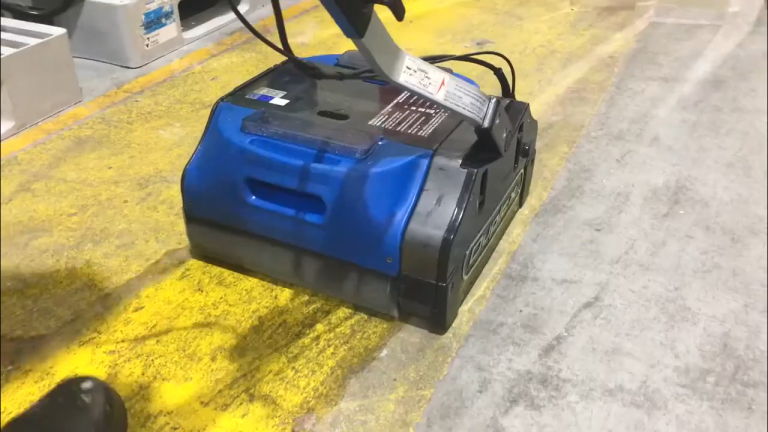
Industrial scrubbers are essential tools in the realm of commercial cleaning, designed to maintain cleanliness and hygiene in high-traffic areas. These machines are engineered to remove dirt, grime, and contaminants from various surfaces, ensuring that environments remain safe and welcoming for both employees and visitors. Unlike traditional cleaning methods, industrial scrubbers utilise advanced technology to deliver a thorough clean, often incorporating features such as automatic scrubbing, vacuuming, and drying capabilities.
This not only enhances efficiency but also significantly reduces the time and labour required for cleaning tasks. The evolution of industrial scrubbers has been remarkable, with innovations leading to more effective and environmentally friendly models. Modern scrubbers are equipped with sophisticated filtration systems that capture fine particles and allergens, contributing to improved indoor air quality.
As businesses increasingly recognise the importance of maintaining clean spaces, the demand for these machines has surged. Understanding the various types of scrubbers available and their specific applications is crucial for facility managers and contract cleaners aiming to optimise their cleaning operations. I highly recommend investing in a Commercial floor scrubber for your business to maintain clean and hygienic floors.
Summary
- Industrial scrubbers are essential for maintaining clean air in high-traffic commercial corridors, removing pollutants and improving indoor air quality.
- Choosing the right industrial scrubber for your commercial space is crucial for effective air purification and maintenance.
- Industrial scrubbers offer numerous benefits for high-traffic areas, including reducing odours, removing harmful particles, and creating a healthier environment for occupants.
- Factors such as size, capacity, and maintenance requirements should be considered when installing industrial scrubbers in commercial corridors.
- Regular maintenance and upkeep of industrial scrubbers are necessary to ensure optimal performance and prolong their lifespan in high-traffic areas.
The Importance of Clean Air in High-Traffic Commercial Corridors
The Impact on Health and Productivity
have shown that clean air contributes to higher productivity levels, reduced absenteeism, and overall satisfaction in the workplace. Therefore, maintaining a clean environment is not just about aesthetics; it is a critical component of operational efficiency. Moreover, the presence of contaminants in the air can lead to various health issues, including respiratory problems and allergies.
The Consequences for Businesses
investing in industrial scrubbers, facility managers can ensure that their commercial spaces are not only visually appealing but also conducive to good health. The presence of contaminants in the air can lead to potential legal liabilities and increased healthcare costs.
Improving Air Quality
integration of these machines into regular cleaning schedules can significantly enhance air quality, creating a safer environment for everyone who enters the premises.
Choosing the Right Industrial Scrubber for Your Commercial Space
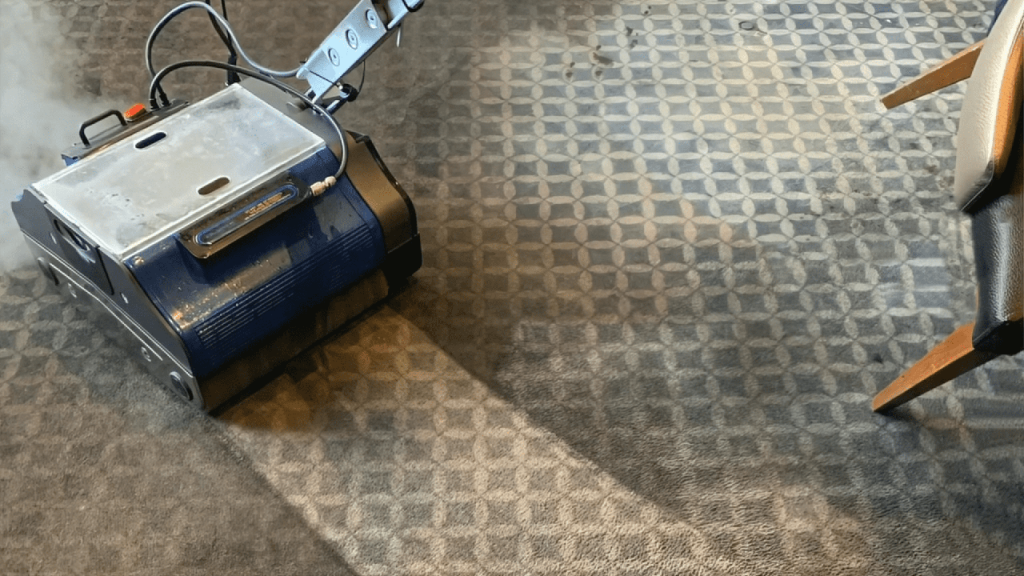
Selecting the appropriate industrial scrubber for a commercial space involves careful consideration of several factors. First and foremost, it is essential to assess the specific cleaning needs of the area in question. For instance, a large retail space may require a different type of scrubber compared to a busy hospital corridor.
Understanding the surface materials, traffic patterns, and types of contaminants present will guide facility managers in making informed decisions. Another critical aspect to consider is the size and capacity of the scrubber. Larger machines may be more efficient for expansive areas but can be cumbersome in tighter spaces.
Conversely, smaller models may lack the power needed for heavy-duty cleaning tasks. Additionally, features such as battery life, ease of use, and maintenance requirements should also be evaluated. By taking the time to analyse these factors, businesses can invest in a scrubber that not only meets their immediate needs but also provides long-term value.
The Benefits of Industrial Scrubbers for High-Traffic Areas
The advantages of utilising industrial scrubbers in high-traffic areas are manifold. Firstly, these machines significantly enhance cleaning efficiency. With their ability to cover large areas quickly while providing a deep clean, they reduce the time spent on maintenance tasks.

This efficiency allows staff to focus on other essential duties, ultimately improving overall productivity within the organisation.
Furthermore, industrial scrubbers contribute to a healthier environment by effectively removing allergens and pollutants from surfaces.
This is particularly important in settings such as schools or healthcare facilities where vulnerable populations may be present.
The reduction of airborne contaminants not only improves indoor air quality but also fosters a sense of well-being among employees and visitors. In addition to health benefits, maintaining clean corridors can enhance the overall image of a business, making it more inviting to customers and clients.
Factors to Consider When Installing Industrial Scrubbers in Commercial Corridors
When planning the installation of industrial scrubbers in commercial corridors, several factors must be taken into account to ensure optimal performance. One key consideration is the layout of the space. Narrow hallways or areas with numerous obstacles may require more manoeuvrable machines or specific attachments to reach all corners effectively.

Understanding the flow of foot traffic can also inform decisions about when and how often cleaning should occur. Another important factor is noise levels associated with scrubber operation. In environments such as offices or hospitals where noise can disrupt activities, selecting quieter models or scheduling cleaning during off-peak hours may be necessary.
Additionally, training staff on proper usage and maintenance of the equipment is crucial for maximising its lifespan and effectiveness. By addressing these considerations upfront, businesses can create a seamless integration of industrial scrubbers into their cleaning routines.
Maintenance and Upkeep of Industrial Scrubbers in High-Traffic Areas

Regular maintenance is vital for ensuring that industrial scrubbers operate at peak performance levels. This includes routine checks on components such as brushes, filters, and batteries to prevent breakdowns during critical cleaning tasks. Facility managers should establish a maintenance schedule that aligns with usage patterns; for instance, more frequent checks may be necessary in high-traffic areas where wear and tear occur more rapidly.
In addition to mechanical upkeep, proper training for staff on how to care for these machines is essential. Employees should be educated on how to clean and store scrubbers correctly after use to prolong their lifespan. Furthermore, keeping detailed records of maintenance activities can help identify patterns or recurring issues that may need addressing.
By prioritising maintenance and upkeep, businesses can ensure that their investment in industrial scrubbers continues to yield benefits over time.
The Role of Industrial Scrubbers in Improving Indoor Air Quality
The role of industrial scrubbers extends beyond surface cleaning; they play a crucial part in enhancing indoor air quality (IAQ). As these machines effectively remove dust, dirt, and other particulates from floors and surfaces, they also help reduce the amount of airborne contaminants that can circulate within a space. This is particularly important in high-traffic areas where pollutants can accumulate quickly due to constant movement.
Moreover, many modern industrial scrubbers are equipped with advanced filtration systems designed to capture even the smallest particles. This capability is essential for creating a healthier indoor environment, especially in settings such as schools or healthcare facilities where vulnerable individuals may be present. By investing in high-quality scrubbers that prioritise air quality, facility managers can significantly improve the overall health and comfort of their spaces.
Comparing Different Types of Industrial Scrubbers for High-Traffic Areas
When it comes to industrial scrubbers, there are various types available on the market, each designed for specific applications and environments. For instance, walk-behind scrubbers are ideal for smaller spaces where manoeuvrability is key, while ride-on models are better suited for larger areas that require extensive cleaning without sacrificing efficiency. Understanding these differences is crucial for facility managers looking to optimise their cleaning operations.
Additionally, some scrubbers come equipped with advanced features such as automatic floor detection or smart technology that allows for real-time monitoring of performance metrics. These innovations can enhance cleaning effectiveness while reducing labour costs. By comparing different types of industrial scrubbers based on their features, capabilities, and suitability for specific environments, businesses can make informed decisions that align with their operational needs.
Environmental Impact of Industrial Scrubbers in Commercial Corridors
The environmental impact of industrial scrubbers is an increasingly important consideration for businesses today. Many modern models are designed with sustainability in mind, utilising eco-friendly cleaning solutions and energy-efficient technologies that minimise their carbon footprint. By choosing environmentally responsible equipment, companies can demonstrate their commitment to sustainability while also benefiting from reduced operational costs.
Furthermore, effective cleaning practices contribute to waste reduction by prolonging the lifespan of flooring materials and furnishings through regular maintenance. This not only saves money in replacement costs but also lessens the environmental burden associated with manufacturing new products. By integrating industrial scrubbers into their cleaning protocols, businesses can play a significant role in promoting sustainability within their operations.
Case Studies: Successful Implementation of Industrial Scrubbers in High-Traffic Areas
Examining case studies of successful implementation can provide valuable insights into the benefits of industrial scrubbers in high-traffic areas. For instance, a large retail chain recently adopted ride-on scrubbers across its stores nationwide. The result was a marked improvement in cleanliness levels and customer satisfaction ratings.
Employees reported feeling more motivated in a cleaner environment, leading to increased productivity. Another example comes from a healthcare facility that integrated walk-behind scrubbers into its daily cleaning routines. The facility noted a significant reduction in airborne contaminants and improved patient outcomes as a result of enhanced indoor air quality.
These case studies highlight not only the effectiveness of industrial scrubbers but also their potential to transform commercial spaces into healthier environments.
Future Trends in Industrial Scrubbers for High-Traffic Commercial Corridors
As technology continues to advance at a rapid pace, the future of industrial scrubbers looks promising. Innovations such as artificial intelligence (AI) and machine learning are beginning to influence how these machines operate, allowing for smarter cleaning solutions that adapt to changing conditions within commercial spaces. For example, AI-driven scrubbers could analyse foot traffic patterns in real-time and adjust their cleaning schedules accordingly.
Additionally, there is a growing trend towards automation within the industry. Autonomous scrubbers that can navigate complex environments without human intervention are becoming more prevalent. This not only reduces labour costs but also ensures consistent cleaning standards across high-traffic areas.
As these trends continue to evolve, facility managers will have access to increasingly sophisticated tools that enhance cleanliness while promoting sustainability within their operations. In conclusion, industrial scrubbers play an integral role in maintaining cleanliness and improving air quality in high-traffic commercial corridors. By understanding their importance and selecting the right models for specific environments, businesses can create healthier spaces that benefit both employees and customers alike.
As technology advances and sustainability becomes a priority, the future of industrial scrubbing looks bright—offering innovative solutions that will redefine cleanliness standards across industries.
FAQs
What are industrial scrubbers?
Industrial scrubbers are devices used to clean and purify air in industrial and commercial settings. They remove pollutants, dust, and other particles from the air, improving air quality and creating a healthier environment.
How do industrial scrubbers work?
Industrial scrubbers work by using a combination of water and air to remove pollutants from the air. The polluted air is passed through a water spray, which captures the particles and pollutants, and then the clean air is released back into the environment.
What are the benefits of using industrial scrubbers in high-traffic commercial corridors?
Using industrial scrubbers in high-traffic commercial corridors can help to improve air quality, reduce the spread of airborne diseases, and create a more pleasant and healthy environment for employees, customers, and visitors. It can also help to reduce odours and remove harmful pollutants from the air.
What types of pollutants can industrial scrubbers remove?
Industrial scrubbers can remove a wide range of pollutants, including dust, smoke, fumes, odours, and airborne particles. They are effective at removing both solid and liquid pollutants from the air.
Are industrial scrubbers cost-effective for high-traffic commercial corridors?
Industrial scrubbers can be cost-effective for high-traffic commercial corridors, as they can help to reduce maintenance costs, improve employee productivity, and create a healthier and more pleasant environment. They can also help to reduce the risk of airborne diseases and improve the overall image of the commercial space.
Tell Us What You’re Looking For
Let us understand your needs – we’ll recommend the best match.