

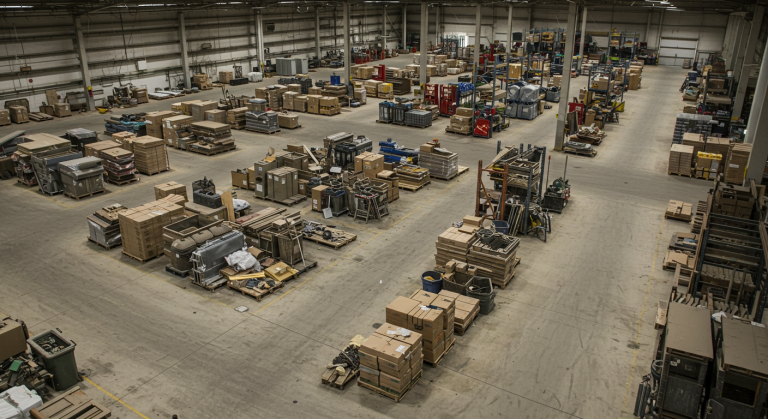
Professional floor cleaning machines have become essential in commercial and industrial settings. From hospitals to shopping centres, clean floors are a fundamental part of ensuring hygiene, safety and a professional image. Traditional mopping and scrubbing methods are no longer sufficient for modern businesses. These machines offer faster, deeper and more reliable cleaning with less physical effort and better results.
Why Manual Cleaning Falls Short
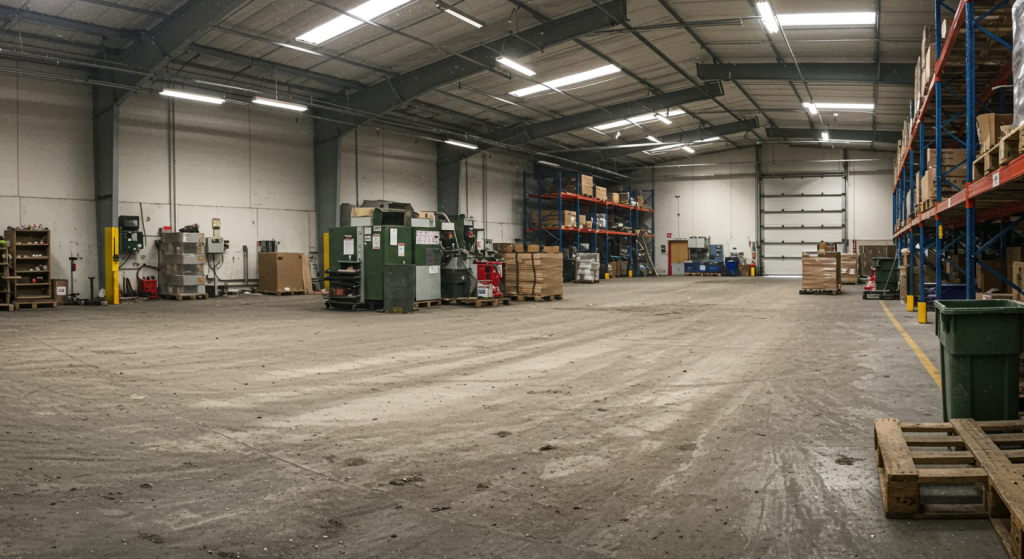
Manual cleaning is time-consuming and physically demanding. Even with a skilled team, mops often leave behind residues or fail to lift deeply embedded dirt. This inefficiency not only slows down cleaning tasks but can also lead to hygiene issues in spaces where cleanliness is critical.
Professional floor cleaning machines are engineered to solve these problems. They’re equipped with technologies that save time, reduce labour, and deliver consistently clean results across all floor types.
Key Benefits of Using Professional Machines
| Benefit | What It Means for Your Business |
|---|---|
| Efficiency | Covers large areas in less time |
| Cleaning Performance | Removes stains, dust and grime with precision |
| Labour Reduction | Operated by one person, lowering staffing needs |
| Hygiene & Safety | Filters, brushes and suction systems help reduce bacteria and allergens |
| Floor Longevity | Less damage due to precise cleaning and reduced use of harsh chemicals |
With a professional cleaning machine, teams can achieve better results with less effort. These machines are ideal for businesses aiming to maintain high standards without increasing operating costs.
Types of Professional Floor Cleaning Machines
Floor Scrubbers
Scrubbers are designed to clean hard surfaces like tile, vinyl and concrete. They spray water or detergent, scrub with rotating brushes or pads, and vacuum up the dirty water for a dry, slip-resistant finish. Walk-behind or ride-on versions are available based on space size.
Sweepers
Sweepers collect loose dirt and dust using rotating brushes and a vacuum system. They’re ideal for large indoor or outdoor spaces such as warehouses or car parks.
Burnishers
Burnishers polish and shine hard floors. Their high-speed pads remove scuff marks and bring out a glossy finish, especially useful in places where floor appearance is critical.
Extractors
Extractors are used for deep cleaning carpets and upholstery. They spray heated water or steam, agitate the fibres, and then extract the water along with dirt and allergens.
Polishers
These machines apply wax or polish evenly, protecting floors from wear and enhancing their look. They’re used for periodic maintenance in buildings where a professional appearance is key.
Vacuum Cleaners
Heavy-duty commercial vacuums handle large volumes of dust and debris across both hard floors and carpets. They’re often used as part of a broader cleaning routine alongside scrubbers or extractors.
Choosing the Right Machine for Your Facility
| Factor | Why It Matters | Suggested Options |
|---|---|---|
| Floor size | Determines cleaning path and tank capacity | Walk-behind, ride-on or robotic units |
| Surface type | Ensures compatibility and optimal results | Carpet, vinyl, tile, hardwood |
| Cleaning frequency | Affects machine durability and runtime | Light-duty, medium-duty or heavy-duty machines |
| Space layout | Impacts size and manoeuvrability requirements | Compact or narrow machines for tight areas |
| Noise level | Important in quiet settings like hospitals or schools | Low-decibel models |
| Power source | Affects convenience and range of use | Battery-powered, corded or LPG-powered machines |
| Budget | Helps select the right model without overspending | Entry-level to premium commercial models |
How These Machines Actually Work

The operation of professional machines varies by type, but the general principle is consistent: apply solution, agitate the surface, then recover the dirty liquid or debris.
- Scrubbers: Spray cleaning solution, scrub the floor and vacuum up the water
- Sweepers: Brush debris into a central bin or hopper
- Burnishers: Use heat and friction to polish the surface
- Extractors: Inject steam or hot water into carpet fibres and remove it via suction
- Polishers: Evenly distribute and buff polish or wax
- Vacuums: Use suction to collect dry debris from multiple floor types
These machines are designed to improve consistency, reduce fatigue and make deep cleaning part of everyday maintenance. It is not an occasional chore.
Tips for Using Industrial Floor Cleaning Machines Efficiently


To get the most out of your machine, it’s important to use it correctly and consistently. Here are some key practices that help achieve great results:
- Train staff properly before first use. Make sure they understand the controls, safety precautions and best practices for the specific model.
- Use recommended cleaning solutions only. The wrong detergent can damage both the machine and the floor.
- Adjust brush pressure and water flow based on floor type. More pressure isn’t always better.
- Clean in systematic patterns to avoid missed spots or excessive overlap.
- Monitor noise, vibration and suction strength. These can be early signs of worn parts or blockages.
When used with care and consistency, these machines don’t just clean better. They help staff work more comfortably and confidently.
Maintenance and Long-Term Care
Routine maintenance ensures that your investment continues to deliver top performance. A few small tasks can make a major difference:
| Maintenance Task | Why It Matters |
|---|---|
| Clean and empty tanks | Prevents odours and bacterial growth |
| Rinse and check brushes | Ensures even scrubbing and avoids floor damage |
| Inspect squeegees and hoses | Prevents leaks and poor suction |
| Lubricate moving parts | Reduces wear and maintains quiet operation |
| Store in a dry space | Protects electronics and prevents rust |
Follow the manufacturer’s service schedule and replace worn parts promptly. This keeps the machine working smoothly and reduces the risk of unplanned downtime.
Why These Machines Are Cost-Effective
While the upfront cost of a professional floor cleaning machine can seem high, the long-term savings are significant. Here’s why:
- Reduced labour hours: One person can do the job of a whole team in less time.
- Fewer re-cleans: Powerful cleaning systems get the job done right the first time.
- Lower water and detergent use: Efficient distribution reduces waste.
- Less wear on floors: Precise cleaning means less long-term damage.
Some businesses choose to rent or lease machines to reduce initial costs. This can be a smart option for seasonal operations or one-off projects.
Rethinking Floor Cleaning: A Smarter, Safer Standard
Using professional floor cleaning machines is more than a cleaning upgrade. It’s a shift in how businesses think about hygiene, staff productivity and operational efficiency.
Instead of pushing a mop through a crowded hallway or relying on patchy results, your team can use machines that clean faster, dry floors quicker and reduce repetitive strain.
For facility managers, cleaning staff or business owners, the right machine is more than a tool. It’s a solution that supports safety, quality and consistency every day.
Frequently Asked Questions
Can these machines be used on all floor types?
Most professional machines work well on hard floors like vinyl, tile and sealed concrete. Machines like extractors are designed for carpets.
Are they easy to use?
Yes. Most models are built for simplicity. A short training session is usually all that’s needed.
What maintenance is required?
Daily rinsing, weekly checks and periodic filter or brush replacement are standard. Always refer to the manual.
How long do they last?
With proper care, many machines last several years, even with daily use.
Is it better to rent or buy?
That depends on your cleaning frequency. Regular use often justifies purchasing, while renting works well for short-term or seasonal needs.